What to Expect During a Roof Removal Project
People seeking roof removal typically want to safely and efficiently remove an old or damaged roof, and local contractors can handle the entire process professionally.
Understanding what to expect during a roof removal project can help property owners feel more prepared for the process. Typically, the project begins with a thorough assessment of the existing roof, allowing local contractors to plan the removal efficiently and safely. During the removal phase, expect the old roofing materials to be carefully stripped away, which may generate some debris around the property. Knowing these steps can help homeowners anticipate the scope of work and understand how experienced service providers manage the logistics involved, ensuring a smooth transition to the next phase of roof replacement or repair.
For property owners in the area considering a roof removal, it’s important to recognize that the process is a critical step toward maintaining the integrity of the building. Local contractors are skilled at minimizing disruption, handling debris disposal, and protecting surrounding areas throughout the project. Keeping informed about what to expect during a roof removal project can make the experience more transparent and less stressful, empowering property owners to make confident decisions when connecting with trusted service providers in the community.
- Complete roof removal - needed when a roof has extensive damage or aging, with local contractors carefully stripping away old materials to prepare for a new roof.
- Asphalt shingle removal - common for homeowners replacing worn shingles, with pros efficiently removing and disposing of the existing roofing materials.
- Tile roof removal - required for repairs or replacements on tile roofs, with service providers handling delicate removal to prevent damage to underlying structures.
- Flat roof removal - necessary for commercial or residential flat roofs needing replacement, with local pros using specialized techniques for safe and thorough removal.
- Roof overlay removal - performed when existing roofing layers need to be stripped before installing a new roof, with contractors ensuring proper removal to meet building standards.
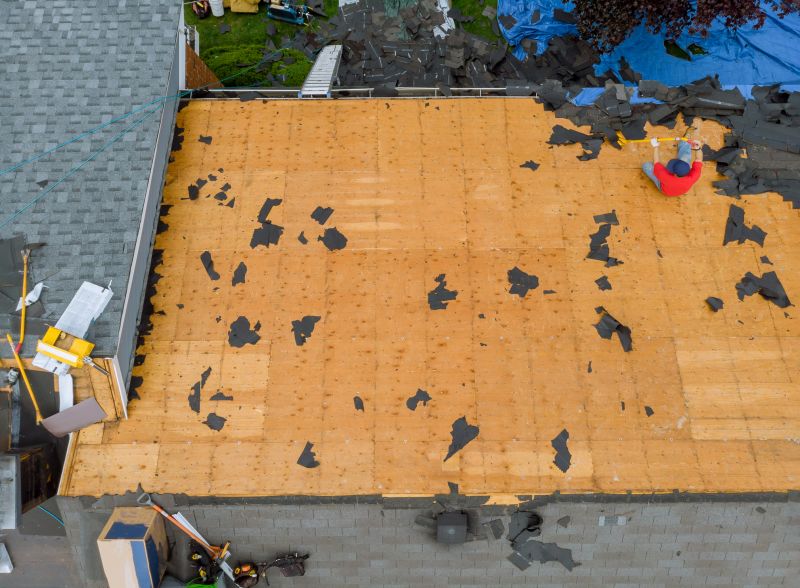
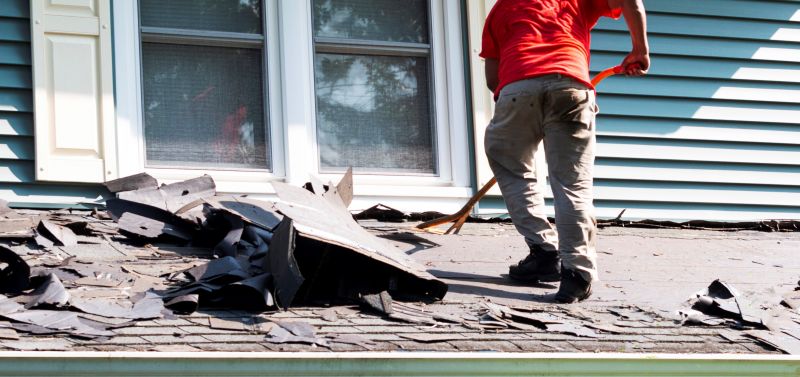
When homeowners search for information about what to expect during a roof removal project, they are often looking for a clear understanding of the process involved in replacing or upgrading their existing roof. This topic typically arises when planning a roof replacement due to age, damage, or the need for a different roofing style or material. People want to know how the work will be carried out, what kind of disruptions might occur, and how long the project might take. Understanding these details helps homeowners prepare for the project, coordinate other home improvements, and make informed decisions about which local contractors to consider for their roof removal needs.
Roof removal projects are commonly associated with addressing problems such as extensive roof damage from storms, leaks, or decay, which can compromise the integrity of the structure. They are also linked to plans for installing new roofing materials or styles that improve curb appeal or increase home value. For some homeowners, a roof removal is part of a larger renovation effort, possibly involving underlying repairs to the roof deck or insulation. Local service providers who specialize in roof removal are experienced in handling these issues efficiently and safely, ensuring that the project is completed correctly and that the underlying structure is prepared for the new roof.
The types of properties that typically require roof removal projects include single-family homes, multi-family residences, and small commercial buildings. Residential properties with asphalt shingles, tile, wood shakes, or metal roofing often need roof removal when replacing old or damaged materials. Commercial buildings with flat roofs or membrane systems may also undergo roof removal to address leaks or to upgrade to more durable roofing solutions. Regardless of property size or style, local contractors are equipped to handle a variety of roof removal projects, adapting their approach to meet the specific needs of each property type and ensuring the process aligns with the property's structure and design.
Throughout a roof removal project, homeowners can expect a series of standard steps that include preparation, removal, and cleanup. The process typically begins with protecting the property and setting up safety measures. During removal, existing roofing materials-such as shingles, tiles, or membranes-are carefully taken off, often revealing the underlying deck. This stage may involve inspecting and repairing the roof deck if needed. Once the old roof is fully removed, the new roofing materials are installed, followed by a thorough cleanup to remove debris. Local pros play a vital role in managing each phase, ensuring the work is performed efficiently, and that the property is left in good condition once the project is complete.
Roof Inspection Services - professionals who assess roof structures and materials are familiar with the inspection process involved in roof removal projects, ensuring proper planning and safety measures.
Roof Deck Replacement - this service involves removing and replacing the underlying roof deck, which shares similar removal techniques and planning considerations as complete roof tear-offs.
Asphalt Shingle Removal - specialists experienced in removing asphalt shingles understand the careful handling and disposal procedures required during roof removal projects.
Roof Ventilation Installation - installing or upgrading ventilation systems often requires roof removal to access the underlying structure, making these services related in scope and planning.
Roof Repair and Patchwork - repairing damaged sections of a roof involves similar removal and replacement skills, especially when old materials need to be carefully stripped away.
Roof Underlayment Services - installing or replacing underlayment requires roof removal to access the roofing surface, aligning closely with the process of a complete tear-off.
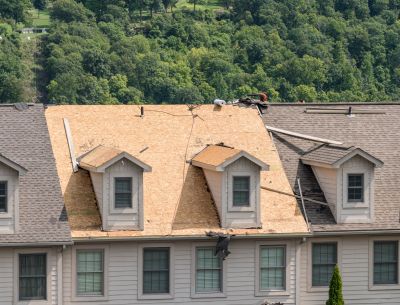
When evaluating local contractors for a roof removal project, experience with similar types of work is an important factor to consider. Homeowners should inquire about the contractors' history handling roof removals comparable to their own project, as familiarity with different roofing materials and structures can influence the quality and efficiency of the work. A contractor’s track record in completing projects similar in scope helps ensure they understand the typical stages involved, what to expect during a roof removal project, and potential challenges that may arise. This experience can contribute to a smoother process and a clearer understanding of what the project will entail.
Clear, written expectations are essential when comparing service providers for roof removal services. Homeowners should seek detailed proposals that outline the scope of work, timeline, and what steps are involved in the removal process. Good communication from the contractor includes providing a comprehensive explanation of what happens during each phase, from debris removal to surface preparation, so that expectations are aligned. Transparent documentation helps prevent misunderstandings and ensures that both parties are on the same page about what to anticipate during the project.
Reputable references and positive communication practices are valuable indicators of a dependable local contractor. Homeowners are encouraged to ask for references from previous clients who have had similar roof removal work completed. Speaking with past customers can provide insights into the contractor’s professionalism, reliability, and how well they communicated throughout the project. Effective communication includes responsiveness to questions, clarity about procedures, and openness to discussing concerns. Choosing a service provider with strong references and good communication habits can help ensure a smoother experience and a clearer understanding of what to expect during a roof removal project.
Property owners often search for what to expect during a roof removal project when they are planning practical projects around their homes and businesses. Local pros provide Roof Removal services for everyday jobs and straightforward project options.
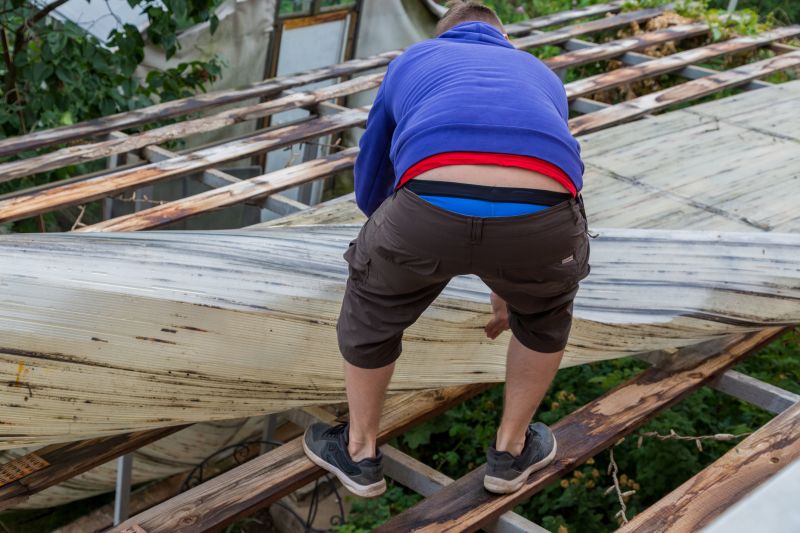
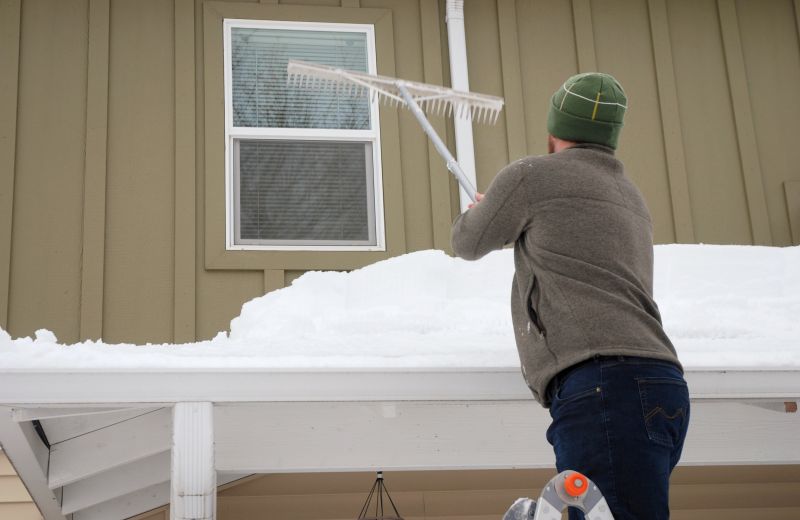
During a roof removal project, property owners can expect to see a typical process that involves careful planning and coordination. Once a team of local contractors arrives, they will typically set up safety measures to protect the property and surrounding areas. The old roof materials are then systematically stripped away, which often results in some debris and dust. This phase can be noisy and involve the use of specialized tools, but it is a standard part of preparing the structure for a new roofing system.
Homeowners in the area might look up information about roof removal to understand what happens during each stage and what to anticipate. Many choose to work with local service providers because of their familiarity with regional building codes and common roofing issues. These professionals can help manage the removal process efficiently and ensure the project progresses smoothly. Knowing what to expect during a roof removal project can help property owners feel more prepared and confident when connecting with local contractors for their roofing needs.
What should I expect during a roof removal project? During a roof removal, local contractors typically start by protecting the property and then carefully remove the existing roofing materials, including shingles, underlayment, and sheathing, before preparing the surface for the new roof.
How do contractors handle debris and disposal during roof removal? Local service providers usually contain debris with tarps and netting, and they manage the proper disposal of old roofing materials according to local regulations to keep the work area clean.
Will there be any disruptions to my property during roof removal? It's common for there to be some noise, dust, and activity around the work area, but experienced contractors take measures to minimize disruptions and protect surrounding surfaces.
What safety precautions are taken during a roof removal? Local pros implement safety procedures such as harnessing workers, securing the work zone, and using appropriate equipment to ensure safety during the removal process.
What is the typical process for preparing my home for roof replacement after removal? After roof removal, contractors inspect the underlying structure, make necessary repairs, and then proceed with installing the new roofing materials, ensuring everything is properly prepared for the new roof.
Preparation for roof removal - property owners should clear the area around the home and ensure access for contractors to facilitate a smooth removal process.
Understanding debris management - knowing how debris will be collected and disposed of helps property owners plan for a tidy work site during the project.
Expect noise and disruption - being aware that roof removal involves loud equipment and potential inconvenience allows for better planning around daily routines.
Coordination with contractors - staying informed about the sequence of work and any necessary precautions ensures a safe and efficient project experience.
If you are thinking about what to expect during a roof removal project for a property, this guide is meant to help you understand this topic, the typical project types, and how different options might fit your plans.
When you are ready, you can use the quote form on this page to share a few details about your project. From there, local pros can review the basics and follow up with options that match what you have in mind.